
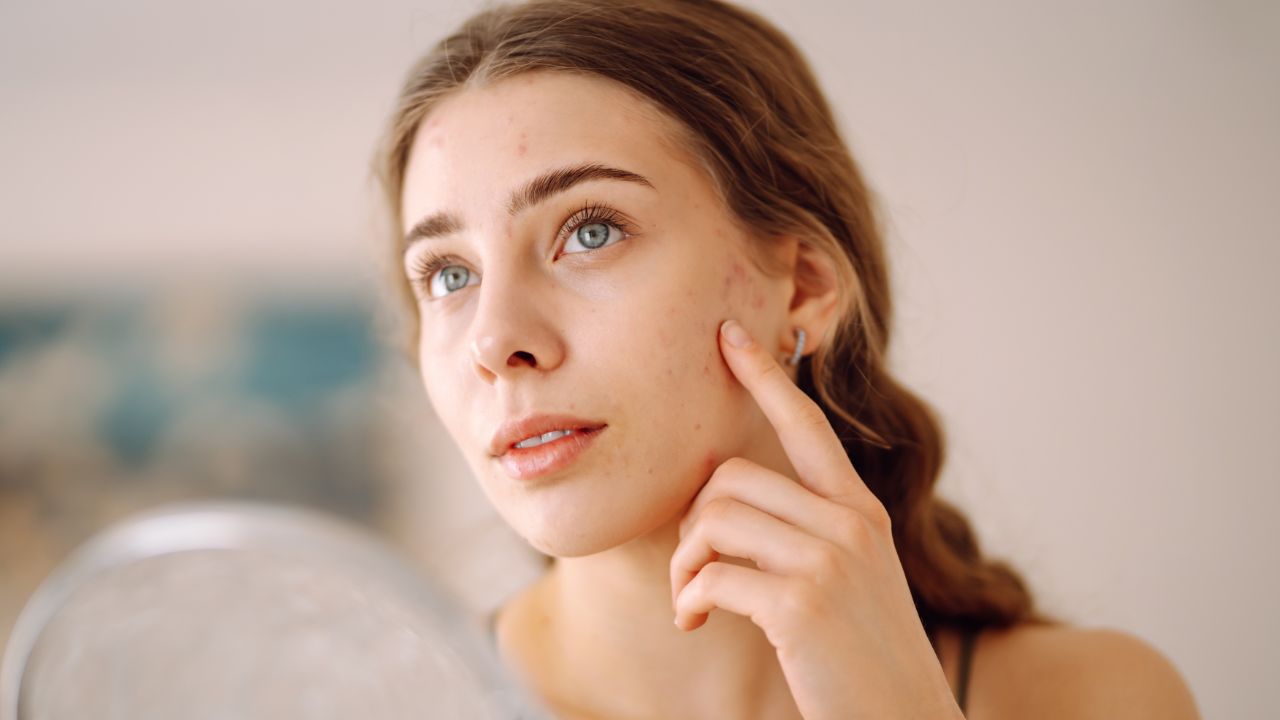
Facial scars can deeply affect self-confidence, but dermatology has evolved dramatically in offering effective, tailored treatments. Understanding the type of scar you have — whether atrophic (pitted), hypertrophic (raised), or contracture scars — is the first step in designing the right treatment plan.
What Causes Facial Scars?
Scars develop after the skin undergoes trauma. This could be from acne, injury, burns, or surgical procedures. Scar tissue forms as the body repairs damaged skin, but sometimes the collagen remodeling process is imperfect, leading to visible marks.
Treatment Options
Modern treatments blend science and artistry for the best outcomes.
- Microneedling: This technique uses tiny needles to stimulate the skin’s natural healing, promoting collagen production. It is especially useful for atrophic scars.
- Laser Therapy: Different lasers target specific issues — fractional lasers can improve texture, while vascular lasers reduce redness.
- Chemical Peels: Medium to deep peels help resurface the skin, reducing discoloration and smoothing surface irregularities.
- Injectable Fillers: For indented scars, fillers can level the surface temporarily. They’re ideal when combined with other regenerative treatments.
- Surgical Scar Revision: For severe or rigid scars, surgical modification can make the scar pattern less noticeable.
The Takeaway: Patience and professional guidance ensure the best outcomes for transforming facial scars.
Start your journey to smoother skin.
Book a consultation to discuss personalized treatment options.