
Signs You May Have Gum Disease
Gum disease is one of the most common oral health conditions affecting adults worldwide. Unfortunately, many people do not realize they have gum disease until it becomes more advanced. Early detection and treatment are essential to prevent serious complications.
What Is Gum Disease?
Gum disease, also known as periodontal disease, is an infection of the tissues that support the teeth. It is primarily caused by plaque buildup along the gumline. There are two main stages:
Gingivitis
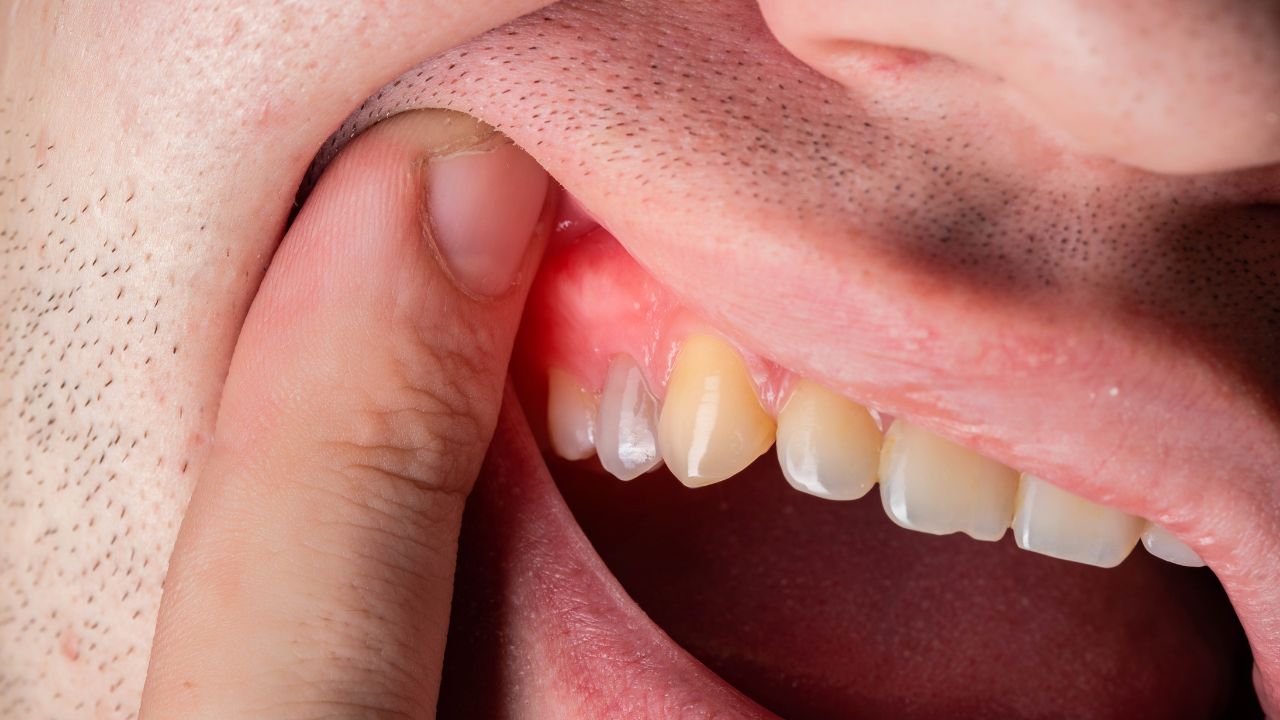
The early stage of gum disease, characterized by gum inflammation and redness.
Periodontitis
An advanced stage that can lead to bone loss and eventually tooth loss.
Common Symptoms
- Bleeding gums during brushing
- Red or swollen gums
- Persistent bad breath
- Gum tenderness
- Receding gums
- Loose teeth
Risk Factors
- Poor oral hygiene
- Smoking
- Diabetes
- Hormonal changes
- Certain medications
- Genetic predisposition
How Gum Disease Is Treated
Treatment depends on the severity of the condition. Common treatments include:
- Professional Cleaning Removal of plaque and tartar buildup.
- Scaling and Root Planing Deep cleaning procedure to remove bacteria below the gumline.
- Advanced Periodontal Treatments In severe cases, surgical procedures may be required.
Conclusion
Recognizing the early signs of gum disease can help prevent serious oral health complications. Regular dental checkups are essential for early detection and treatment.