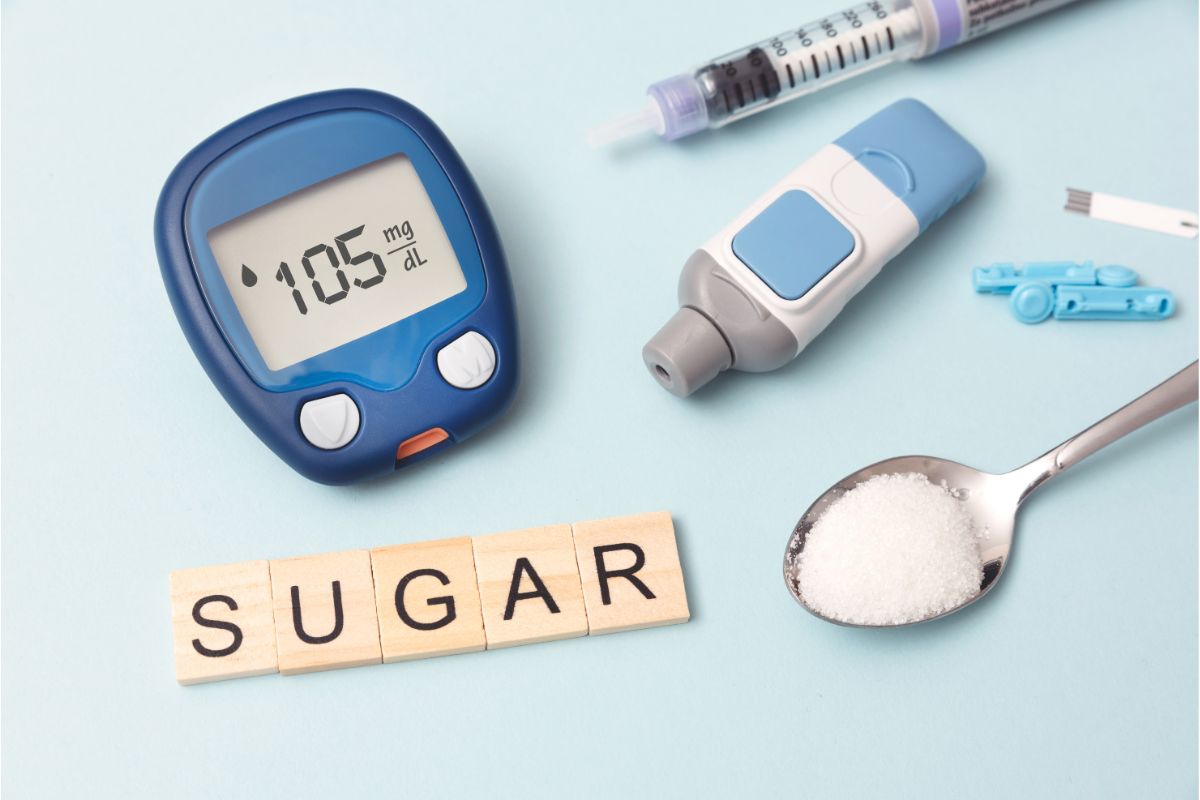
When you eat food, your body starts to digest it and break it down into different nutrient sources. For example, when you eat carbohydrates (like bread, rice, pasta, etc.), your body breaks them down into sugar (glucose). Once glucose enters your bloodstream, it needs to get into your body’s cells (tissues and organs) to be used, which is done with the help of insulin.
So, what exactly is insulin? Insulin is a hormone made by beta cells in the pancreas (an organ located behind your stomach). The pancreas releases insulin into your bloodstream to allow glucose to enter your body’s cells. Glucose provides the energy (fuel) for tissues and organs to function properly.
But if you have diabetes:
- Your pancreas does not make enough insulin or not at all.
- Or your pancreas makes insulin but your body’s cells can’t use it properly; this is called insulin resistance.
If glucose doesn’t get into your body’s cells, it stays in your bloodstream, causing your blood glucose level to rise.
Types of Diabetes
There are four main types of diabetes, depending on the cause:
- Type 1 diabetes: Also called insulin-dependent diabetes, it is a chronic autoimmune condition where the body attacks the pancreas, damaging it and preventing insulin production. Up to 10% of people with diabetes have Type 1, which often occurs in children, teens, and young adults.
- Type 2 diabetes: Also called non-insulin dependent diabetes, it occurs when the pancreas produces some insulin, but the body doesn’t use it properly. Up to 90% of people with diabetes have Type 2. While it mainly affects adults, it is increasingly seen in children and teens due to obesity.
- Gestational diabetes: Occurs in pregnant women and usually disappears after delivery. Controlling gestational diabetes is important for the baby’s development and to prevent future type 2 diabetes in the mother and child. It occurs in 2%-10% of pregnancies.
- Prediabetes: Blood sugar is higher than normal but not high enough to be diagnosed as diabetes. People with prediabetes are more likely to develop type 2 diabetes, stroke, and heart disease. Lifestyle changes like exercising and losing 5%-7% of body weight can reduce the risk.
Symptoms of Diabetes
Symptoms depend on blood sugar levels and are most often associated with type 1 and type 2 diabetes. They may include:
- Visual blurring
- Numbness or tingling in the feet and hands
- Unexplained weight loss
- Fatigue
- Extreme hunger
- Dry or itchy skin
- Genital thrush
- Increased thirst
- Delayed wound healing
- Frequent urination
Is Diabetes Preventable?
While type 1 diabetes cannot be prevented as it is genetic, type 2 diabetes and prediabetes can often be prevented with lifestyle changes. Steps to lower your risk include:
- Keeping your weight under control
- Eating healthy foods
- Stopping smoking
- Exercising regularly
- Routine check-ups
Want to learn more about your diabetes risk?
Schedule an appointment with our Internal Medicine Physician or General Practitioner at Health Connect Poly Clinic for blood sugar testing and guidance.